Caramel and Crystal Malts

Caramel and Crystal Malts

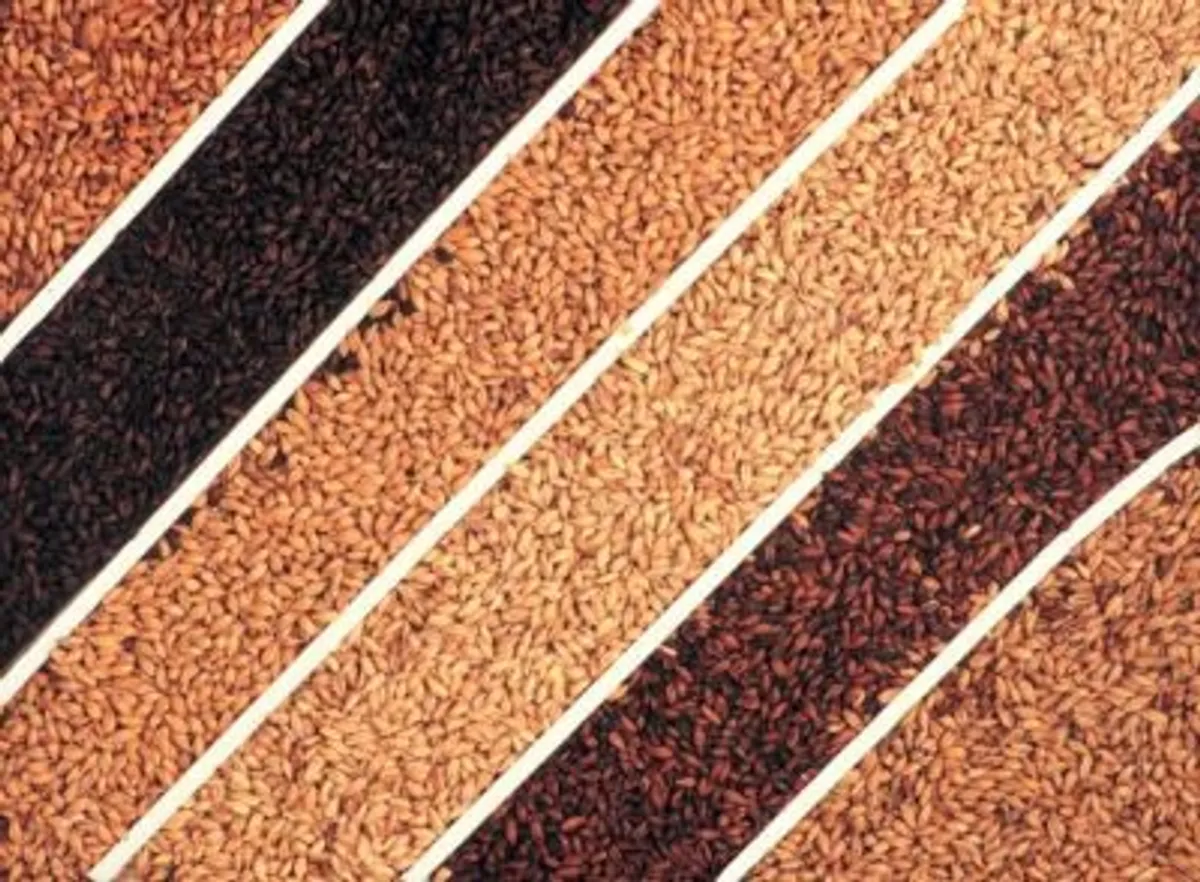
Caramel malt is a staple in a wide variety of beers worldwide, and is used to add color, flavor and sweetness to beer. Note that the terms Crystal and Caramel malts are used interchangeably.

  • Carapils, Carafoam, Dextrine Malts - These are the lightest caramel malts, made from light pilsner malt and roasted slowly at very low temperature. They do not have strong caramel overtones, and very little color so these are primarily used to add body and head retention to the finished beer.

  • Light Caramel Malt (10-30 L) - These malts impart a light honey-like sweetness as well as body to the finished beer. They also add some color to the finished beer, usually a light straw color if used alone. They are not as sweet or caramel flavored as the darker variations.

  • Medium Caramel (40-60 L) - These are the most commonly used caramel and crystal malts. They impart a measurable sweetness and caramel flavor to the finished beer, which you can taste even by sampling the raw malt. These are well suited for many English and American style milds, porters, stouts and bitters. They also add significant body and head retention to the finished beer.

  • Dark Caramel (70-90 L) - These malts add a much darker color as well as caramel flavor. Due to the high roasting level, some bitterness is also added, creating a bitter-sweet finish. The finished color can show hints of reddish tint, depending on the level of malt used. These also add body and head retention and are used most often in darker beers such as porters and stouts.

  • Very Dark Caramel/Crystal Malts (100-220 L) - These malts add not only significant color and caramel flavors, but also often include a bitter, nutty somewhat roasted flavor. They should be used sparingly (1/8-1/2 pound max per 5 gal/19L), as the bitterness can easily overwhelm a beer.

— Michael Myers, Sergeant-at-Arms
Related Posts

All things Oktoberfest

All things Oktoberfest

It’s September! There’s a refreshing crispness in the air, and that means one thing-Oktoberfest is just around the corner. This month will be one long party of giant pretzels, brats, German music, and

read more
Cold days mean hot beers

Cold days mean hot beers

Q: I saw a viral social media post of people putting red-hot pokers into their beers to caramelize them. Does that actually do anything? A: It’s a tradition that allegedly goes back hundreds

read more
STYLE SPOTLIGHT: Cream Ale

STYLE SPOTLIGHT: Cream Ale

With our Spirit of ‘76 All-American homebrew competition in full swing we thought we would take a moment to showcase an American beer style, talk about its origins, and how to brew a good example of o

read more
Beer Clarity and Finings, Part 2

Beer Clarity and Finings, Part 2

Last month we covered how to measure beer haze and some of the major causes of beer clarity issues. This month we're going to go in-depth and discuss yeast, proteins and tannins and begin to cover how

read more
What Are Cryo Hops?

What Are Cryo Hops?

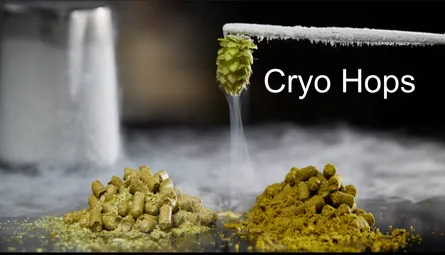
Here are the slides from the discussion that Gerg lead at the February 2025 meeting

read more
Beer Clarity and Finings, Part 1

Beer Clarity and Finings, Part 1

This is a detailed series on beer clarity and finings. In this first we are going to cover what beer clarity is, how it's defined and measured and the potential causes of haze or clarity problems in b

read more
Beer Clarity and Finings, Part 3

Beer Clarity and Finings, Part 3

This is the third part of my four part series on improving beer clarity. In the previous sections we discussed how to measure clarity, causes of poor clarity, proteins and tannins and how to control a

read more
Beer Clarity and Finings, Part 4

Beer Clarity and Finings, Part 4

In the previous sections we discussed how to measure clarity, causes of poor clarity, proteins and tannins and how to control and improve beer clarity in the mash and the boil. Today we’re going to di

read more
Freezing Yeast

Freezing Yeast

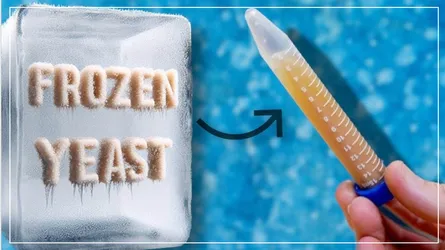
Here is a link to the slides Greg used for his talk about freezing yeast

read more
EQUIPMENT SPOTLIGHT: Keg Maintenance

EQUIPMENT SPOTLIGHT: Keg Maintenance

Maintenance of your kegs isn’t always the most glorious part of home brewing, but it is one of the most important practices for sanitation, extension of the life of your equipment, and can go a long w

read more
March? October? September? What’s with the German beerfest calendar?

March? October? September? What’s with the German beerfest calendar?

Q: Why do we drink March beer (Märzen) at Oktoberfest in September? A: There’s no beerfest quite like das original — Oktoberfest. Lederhosen, pretzels, bratwurst and — of course — lots of

read more
EQUIPMENT SPOTLIGHT: Building a Keezer

EQUIPMENT SPOTLIGHT: Building a Keezer

This month I thought we could shift gears and talk about a project you can do at home, have a lot of fun, and serve up your tasty homebrewed creations. So, you’re ready to graduate from bottling every

read more
Seven tips for your best batch of mead

Seven tips for your best batch of mead

At the end of April, we met up at the Morriss house for a special hands-on Horsemen meeting. Award-winning meadmakers John Bates and Reni Morriss walked us through the ins and outs of fermenting honey

read more
Style in Focus: Munich Helles

Style in Focus: Munich Helles

The devil is in the details with this style. It's a delicate balance in many ways. A little malty, but by no means sweet. Pleasantly full-bodied, but by no means full bodied. A little grainy, but by n

read more
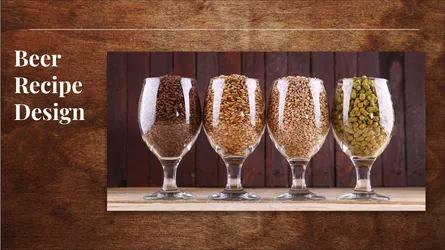
Beer Recipe Design

Beer Recipe Design

Here are the slides for the discussion that Greg lead on recipe design:

read more
Avoiding sticky situations when brewing with adjuncts

Avoiding sticky situations when brewing with adjuncts

Q: How do I prevent a stuck mash when brewing with adjuncts like corn or wheat? A: Picture a perfect brew day. Everything seems to be going right. You hit your mash temp perfectly. Everything

read more
Theories of Thiol

Theories of Thiol

[Edit May 16, 2025] Sadly, Omega no longer offers thiolized yeast to the homebrewing market.**Q: What’s the deal with this “Thiolized” yeast I ke

read more
Under Pressure: Ferment like the pros with extra CO₂

Under Pressure: Ferment like the pros with extra CO₂

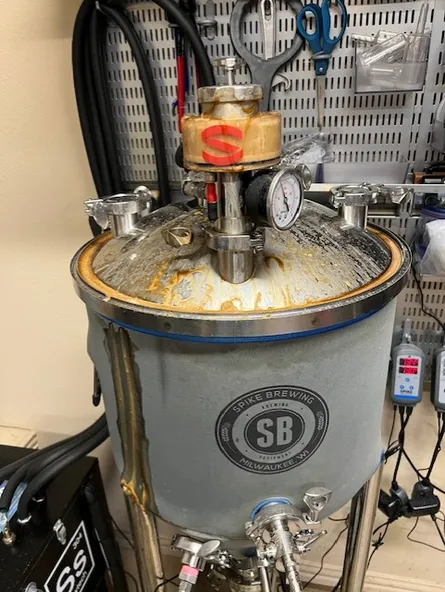
The hobby of homebrewing is loaded with what most brewers love; fads, innovations, different processes and best of all, new pieces of equipment and gadgets. However, all those are just tools, and it i

read more
Making a healthy yeast starter

Making a healthy yeast starter

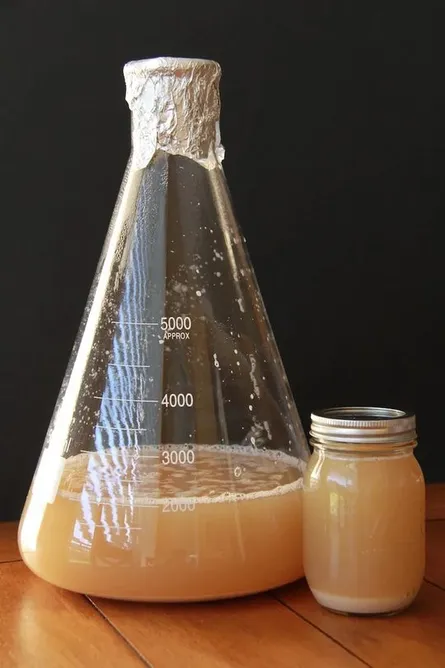
I want to let you know how I do my yeast propagation and storage. To harvest yeast, follow the instructions below for the yeast starter. Next, decant the yeast and place it in a sterile jar to save it

read more
Best beers to ferment this summer

Best beers to ferment this summer

Hot summer temperatures make for long brew days and the need for frosty cold beers. But some of the most refreshing beers ferment at icy-cold temperatures. For brewers without consistent temperature c

read more